Complete Medical Guide for Traveling to Himachal Pradesh
Editor’s Note: This is an informational guide. Please consult your certified doctor or healthcare professional before planning any travel, especially if you are on medications or treatment.
Himachal Pradesh’s unique geography, high altitudes, extreme weather conditions, and remote locations can cause some serious health challenges. Especially when traveling with pre-existing medical conditions like asthma, heart disease, allergies, or for those who skip vaccinations.
The health guide will help you prepare better, travel smart, and enjoy every moment without worrying.
Himachal Pradesh’s Altitude & Climate
Before we talk about specific medical conditions, it’s important to understand why Himachal Pradesh requires special health attention. Himachal Pradesh covers a wide range of altitudes:
- Shimla – 2,200 meters
- Manali – 2050 meters
- Dharamshala – 1457 meters
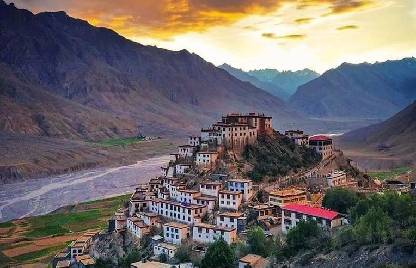
- Spiti Valley – 3800 meters
- Rohtang Pass – 3978 meters
- Baralacha La – 4890 meters
As the altitude increases, oxygen levels in the air decrease significantly. It means your heart, lungs, and entire body have to work harder to function normally. For healthy travelers this can cause mild discomfort. Moreover, temperatures in Himachal can change within months. These sudden changes directly impact respiratory health, cardiovascular function and the immune system.
Travel tips for Altitude sickness
Altitude sickness, medically known as Acute Mountain Sickness (AMS), is the most common health issue faced by travelers in Himachal Pradesh. It happens when your body does not get enough time to adjust to the lower oxygen levels at high altitude.
Common symptoms: Persistent headache, dizziness and nausea, fatigue and weakness, shortness of breath, loss of appetite, difficulty sleeping, and swelling in hands, feet or face.
Higher risk for: asthma patients, respiratory issues, heart patients, senior citizens, and children under 10 years.
Tips to cure:
- Don’t rush to high-altitude spots
- Rest on the first day of arrival at any new altitude
- Stay hydrated with 3 to 4 litres of water
- Avoid alcohol and smoking at high altitude
- Do not over-exert yourself, and consult your doctor about Diamox tablets before the trip
- Carry a pulse oximeter to monitor oxygen levels
Travel Tips for Asthma Patients
Himachal Pradesh is absolutely manageable for asthma patients with the right tips. The cold, dry mountain air, dust on unpaved roads, wood smoke from bonfires and local kitchens, and high pollen levels from dense forests may trigger asthma. Sudden temperature drops, especially at night, can also cause bronchial spasms.
Common things that trigger asthma: cold & dry air, road dust, pine & deodar pollen, campfire & bonfire smoke, sudden weather changes, and smoke from wood-burning stoves.
Must-have medications: rescue inhaler, preventive/controller inhaler, portable nebuliser, oral steroids, and antihistamines.
Safer destinations for asthma patients: Shimla, Dharamshala & McLeod Ganj, Kasauli, and Dalhousie.
Places to avoid: Spiti Valley, Rohtang Pass, Baralacha La
Can Heart Patients Travel to Himachal Pradesh?
Yes, but with proper planning and medical guidance. At higher altitudes, reduced oxygen levels force the heart to supply the body with adequate oxygen. But for heart patients, this extra strain may trigger serious complications. Stay below 2500 meters unless specifically cleared for a higher altitude.
Medical clearance is mandatory:
- Get a full clearance evaluation
- Share your planned itinerary and altitude levels
- Ask about adjusting your medications for high altitudes
- Discuss whether you need to carry emergency cardiac medicines
Warning signs during travel: Chest pain, severe shortness of breath, irregular heartbeat, sudden dizziness, unusual swelling in legs or ankles.
Safe destinations for Heart Patients: Shimla, Dharamshala, Kasauli, and Palampur.
Managing Allergies in Himachal Pradesh
Himachal Pradesh is incredibly rich in natural beauty, but its natural environment is also full of potential allergens. Some common allergens in Himachal Pradesh include pollen, dust, mold, fungus, insect stings, animal dander, and food allergens.
Must-carry allergy medications: Antihistamine tablets, Nasal spray, eye drops, EpiPen, and Calamine lotion for skin allergies.
- Quick tips for allergy sufferers:
- Wear a dust mask on mountain roads
- Avoid sitting near bonfires
- Check the local pollen forecast before outdoor activities
- Carry antiallergic bedding covers if sensitive to dust mites
Vaccination Guide for Himachal Pradesh travel
Many travelers overlook vaccination when planning a Himachal trip package. It’s a serious mistake, especially if you are planning a trip during the monsoon or visiting remote areas.
Start your vaccination process at least 4 to 6 weeks before your travel date. Carry your vaccination certificate during the trip. Children must have all routine immunisations up to date. Consult your doctor for personalized vaccination advice.
Himachal Seasonal Disease Guide
|
|
|
|
|
|
|
|
|
|
|
|
|
|
|
|
|
|
|
|
Conclusion:
Himachal Pradesh is a paradise that truly deserves to be experienced. Whether you’ve asthma, a heart condition, allergies, or simply want to protect yourself from seasonal diseases, with proper care you can rest ensure of a safe, comfortable, and unforgettable Himachal Pradesh journey.