Tribal Himachal: Exploring Kinnaur, Lahaul & Spiti Culture and Lifestyle
Urban areas are interesting, but tribal is fascinating.
Usually, living in urban areas, we often look for serenity and peace. But believe me, the tribal areas offer an experience that you have been seeking for a long time.
As soon as you cross the Rohtang Pass or wind through the cliff-hanging roads of the Hindustan-Tibet highway, something fundamental changes.
The air gets thinner, the prayer flags start to snap in the wind, and the lush greenery of the lower Himalayas gives way to the world you’ve never experienced.
In this Tribal Himachal Guide 2026, you will know in-depth about the Kinnaur, Lahaul, and Spiti Valley. These are the most talked-about tribal destinations of Himachal Pradesh. It’s where the Vedic traditions of India meet the mystical Vajrayana Buddhism of Tibet, creating a cultural cocktail that is as intoxicating as the local barley brew.
Let’s dive deeper into the details about the forbidden valleys and discover the soul of the tribal Himalayas.
Why discover the tribal Himachal?
If you’re looking for a swap from a comfortable resort in Manali to a basic homestay in the tribal village. The answer lies in the authentic experiences:
The only place on earth where you’ll witness a Hindu priest and a Buddhist Lama sitting together to bless a village festival. The religious boundaries are stunningly blurred.
From the multi-storied Kath-Kuni temples of Kinnaur to the 1,000-year-old mud monasteries of Spiti, the buildings are masterclasses in indigenous engineering.
Witness the “Cold Desert” ecosystem – a stark, moon-like terrain makes you feel like you’ve explored another planet.
Residing here is tough. Observe how the locals navigate sub-zero winters with a smile is a powerful perspective shift for any travelers.
Kinnaur
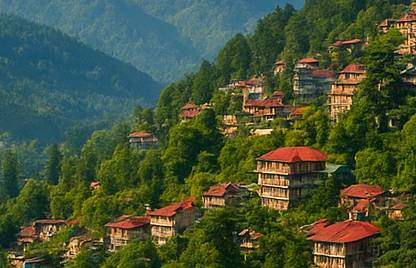
The land of legends, the lush green of the lower hills, and the arid peaks of Tibet, Kinnaur is well-known for its high-quality apples. It’s towering deodar forests, and the massive Kinnaur Kailash range dominates the skyline, shifting colors with every passing hour of the sun.
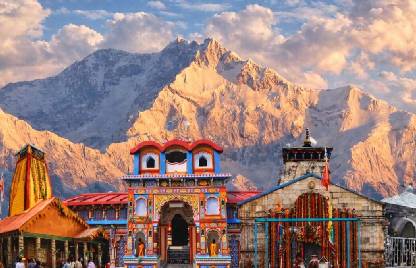
Culture: Experiencing the Kinnauri culture is a fascinating experience of Hinduism and Buddhism. Every village has a local deity, considered the actual ruler of the area. No decisions are made without consulting the deity’s oracle.
Lifestyle: People are agriculturists; the “Thepang” (Kinnauri Cap) is a symbol of pride worn by residents. The lifestyle is communal; if someone builds a house, the whole village shows up to help.
Festival: Fulaich is the festival of flowers, where villagers trek to the high ridges to collect rare wildflowers, which are then offered to the deities amid traditional dancing and singing.
Best time to go: April to June are the best months for pleasant weather, or September to October to witness the apple harvest in its full glory.
Places of attraction: Sangla Valley, Chitkul, Kalpa, and Kamru Fort.
Lahaul
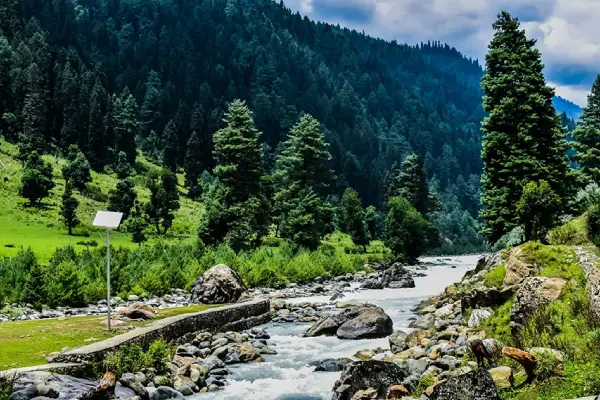
Often considered the “Hidden land” as it was cut off by snow for six months a year, Lahaul has been opened because of the Atal tunnel. It’s a valley of massive glaciers, turquoise rivers like the Chandra and Bhaga, and a rugged, heroic spirit.
Culture: Lahaul is predominantly Buddhist, yet with a strong local tribal identity. The monasteries like Guru Ghantal and Kardang are repositories of ancient Tibetan scrolls and art.
Lifestyle: The residents are known for their entrepreneurial spirit and resilience. The opening of the Atal Tunnel is transitioning from isolated farming to becoming a year-round adventure tourism hub.
Festival: Halda is the Lahauli version of Diwali, celebrated in deep winters. To ward off evil spirits, cedar twigs are lit and thrown into a communal bonfire, followed by traditional feasting and local brews.
Best time to go: May to October for trekking or January to February for the Snow Festival.
Places of attraction: Keylong, Sissu Lake, Tandi, and the Baralacha La Pass.
Spiti Valley
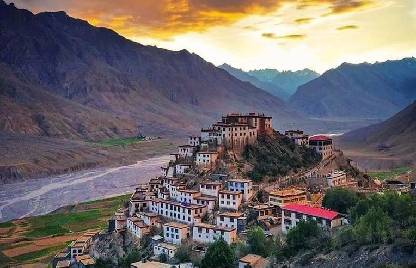
Spiti literally means “The middle land” – the space between India and Tibet. It’s a high-altitude cold desert where the landscape is so huge that it feels spiritual. It’s a place with some of the ancient functioning Buddhist monasteries in the world.
Culture: Experience the deeply rooted Tibetan Buddhism. The lifestyle is simple and monastic. You’ll observe mane walls and white-washed houses with red-bordered windows, the iconic to Spitian identity.
Lifestyle: Survival in Spiti is no less than an art. People live on barley, buck-wheat, and “Tsampa.” In winter, they stay indoors making crafts and woolens. Water is scarce, and the community has a deep-seated for natural resources.
Festival: Losar is the Tibetan New Year, which involves mask dances performed by lamas in the monastery. This festival symbolizing the victory of good over evil.
Best time to go: June to September is the only time the high passes are open for a full circuit.
Places of attraction: Key Monastery, Tabo, Hikkim, and the stunning Chandratal Lake.
Tips to explore Tribal Himachal:
Discovering these tribal destinations of Himachal Pradesh isn’t like a trip to the mall. You will need to be ready for the terrain and respectful of the local lifestyle. So, keep a check on these important tips for your upcoming Tribal Himachal Tour:
As you’re going to altitudes of 10,000 to 15,000 feet. Spend at least 2 nights in Shimla or Manali before heading higher to avoid Acute Mountain Sickness.
Never touch the village deities or their palanquins in Kinnaur. In Spiti, always walk clockwise around monasteries and stupas.
These are ecologically fragile zones, so carry your plastic waste back to the cities; the mountains cannot digest your trash.
Connectivity and ATMs are scarce and few in number. Carry enough cash for your entire tribal circuit.
Even in summer, the sun can burn you while the wind freezes you. So, layering is your best buddy.
FAQs
Do I need a permit to visit these areas?
Indians do not need a permit to visit these tribal places. However, foreign nationals require an Inner Line Permit to travel between Rekong Peo and Kaza.
Is there a mobile network in Spiti?
In 2026, connectivity has improved, but don’t count on it being consistent. BSNL and Jio are your best bets, but expect long periods of “No Service” once you leave the main towns.