Himachal Beyond Shimla–Manali: Underrated Destinations for Peace Seekers
Are you still planning a Shimla Manali Tour? Well, some consider it a prominent attraction of Himachal Pradesh. If you are seeking a unique experience, it is recommended to discover the underrated destinations for peace seekers. By 2026, the traditional hubs of Himachal have become synonymous with over-tourism, where the sound of mountain birds is often drowned out by the hum of traffic.
To find the true soul of the mountains, you must look beyond the Middle Land and the remote border valleys. This guide lets you explore the underrated gems of Himachal Pradesh – places where peace is not just a goal but the default setting.
Why ditch Shimla and Manali sometimes?
While Shimla and Manali are the most-preferred tourist hubs in Himachal Pradesh, they often lack the character of the Himalayas.
Reaching Manali during the peak season can take hours of idling in the “Beas traffic jam.”
You are a guest in a local’s home. The food is cooked over wood-fired stoves, and the trails are shared with shepherds rather than souvenir sellers.
For peace seekers, the luxury of hearing your own thoughts is more valuable than a luxury hotel suite.
Top underrated peaceful destinations in Himachal Pradesh
Your search for some underrated peaceful destinations ends here. Let’s have a look at what you’ve been missing.
Shoja
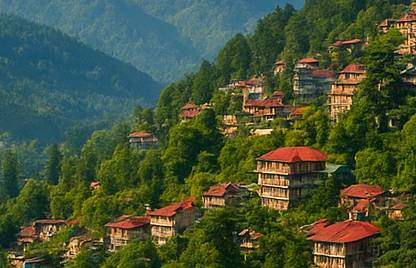
Located at 8,000 feet above, Shoja is a tiny hamlet that looks like a page from a fairytale. It remains untouched by the massive hotel chains that have overtaken Manali now because of its stunning beauty. It is the best place to plan a staycation amid thick forests of cedar and oak, mist-covered meadows, and an air of complete stillness.
Experience: You can enjoy a 5 km trek to Serolsar Lake from Jalori Pass, which is a crystal-clear water is believed to be kept clean by a legendary bird that picks up every leaf that falls into it.
Best time to visit: March to June (spring blooms) and December to February (for a white-water wonderland)
Tirthan valley
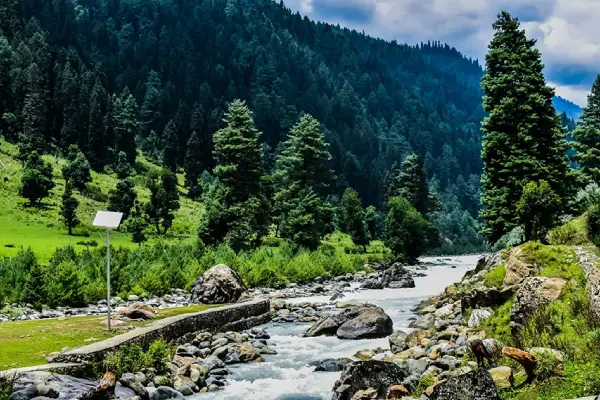
If you and your travel buddy want to live by a river that is clean enough to drink from, Tirthan is the place for you. It is one of the few places in India where time truly slows down, and you can live every minute in peace. This place offers riverside homestays, apple orchards, and the rustic charm of the Great Himalayan National Park.
Experience: Trout fishing is a must-try experience in the Tirthan Valley. Even if you don’t like fishing, just sitting on a river rock with a book for three hours is a meditative experience.
Best time to visit: March to June is pleasant with blooming nature and outdoor activities like trout fishing.
Kalpa
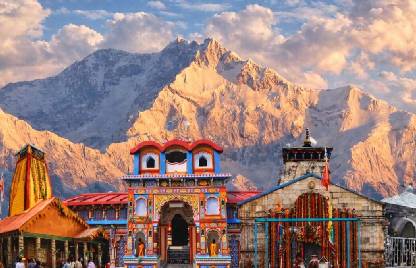
Himachal Pradesh is blessed with the most dramatic views in the world, and Kalpa offers the scenic views of snow-clad spires of the Kinnaur Kailash range, which change colors as the sun moves. At a high-altitude village, you can feel the pine nut (Chilgoza) forests and ancient temples.
Experience: Witness the sunrise hit the sacred Kailash peak. It is a spiritual experience regardless of your belief.
Best time to visit: April to June brings pleasant weather in Kalpa, blooming apple orchards, and clear views of the Kinnaur-Kailash range.
Rakchham
Located halfway between Sangla and Chitkul, Rakchham is often overlooked by travelers in a rush. It is perched at an altitude of 3100 meters above sea level and is known for natural beauty, traditional houses, and Kinnauri shawls that are popular across the globe. Visit the Kinnaur Kailash, Rakchham Valley, Charang Chitkul Pass, and Sangla meadows.
Experience: Taking a long leisure walk through the village gives peace to the soul. The traditional wooden houses with sloping roofs and the nomadic lifestyle of the locals offer a glimpse into a bygone era.
Best time to visit: April to October is the best time to travel to Rakchham, offering pleasant weather, lush green landscapes and accessible roads.
Chitkul
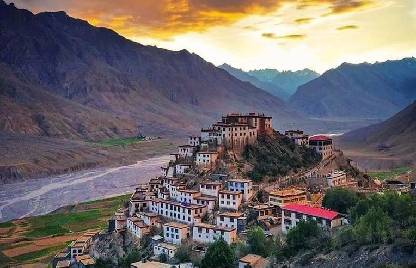
Himachal Pradesh’s last inhabited village on the Indo-Tibetan border, Chitkul, feels like the “end of the world” in the best possible way. You can immerse yourself in its serenity created by pure alpine air, stark white mountains, and the sense of being at the edge of civilization.
Experience: Relish a delicious meal at the “Hindustan ki Aakhri Dhaba” and walk down to the banks of the Baspa River.
Best time to visit: May to October is pleasant, as roads are accessible and the valley turns out to be lush green.
Barot Valley
Snuggled in the Mandi district, Barot Valley was originally developed for a hydel project. Later, it became a secret paradise for solitude seekers. It's steep terraced fields and the Uhl River flowing through a narrow valley. Barot is less commercialized than Jibhi or Parvati Valley, so it became perfect for those who wish to disappear for a few days.
Experience: Enjoy camping by the Uhl River and feel the vibes.
Best time to visit: March to June (summer) is pleasant for trekking and camping, while in September to November, the valley enjoys clear skies and scenic views.
Andretta
Do you think all mountain retreats should be high-altitude trekking? Well, that’s a myth. Andretta near Palampur is a perfect example; it is no less than a sanctuary for the mind. A quaint village has been a magnet for potters, painters and playwrights since the 1920s.
Experience: Taking a pottery class at the Andretta Pottery and Craft Society. Creating something with your hands while looking at the Dhauladhar Range is no less than a relaxing therapy that you were looking for.
Best time to visit: March to June for pleasant weather and in October to November for clear skies.
FAQs
Do I need a permit to visit Chitkul?
Indian citizens do not need a permit to travel to Chitkkul. Although foreigners would require an Inner Line Permit if they plan to travel beyond the Rekong Peo/Kalpa region towards Spiti.
Which is the best destination for a “Workacation”?
Shoja and Jibhi have better homestays with internet facilities. And do confirm with your host about power backups, as mountain electricity can be erratic during storms.
Is there any snow in Barot during winter?
Yes, Barot and its higher altitudes receive significant snowfall from January to March, making the valley a quiet white haven.